Blog

Modern Food Safety Solutions for Hospitality, Retail, and Manufacturing

food safety

What do “modern food safety solutions” actually include?

Modern compliance food safety systems usually combine digital records, automated monitoring, and analytics into one structured workflow. Instead of chasing clipboards, teams receive timestamps, real-time alerts, and audit-ready reports that support compliance food safety requirements.

Common building blocks of compliance food safety programs include sensor-based temperature tracking, digital HACCP logs, task management tools, traceability systems, and staff training modules. The goal is simple: fewer gaps, clearer accountability, and faster corrective actions.

How are hospitality teams improving safety without slowing service?

They reduce manual checks and focus staff time on critical control points. The best systems fit into service routines rather than adding friction.

Kitchen teams often use mobile logging for hot holding, cooling, and reheating, with prompts that prevent missed steps. Wireless probes and smart fridges can flag unsafe temperatures immediately, while corrective-action prompts guide staff to document what they did and why.

How can retailers manage food safety across multiple sites consistently?

They standardize processes and centralize visibility. When every store logs differently, corporate oversight becomes guesswork.

Multi-site dashboards let food safety leads compare compliance rates, spot repeat issues, and push updated SOPs instantly. Role-based checklists ensure deli, bakery, produce, and back-of-house teams complete the right tasks. Photo evidence and geo-stamped records also make spot checks more reliable.

What helps manufacturers control hazards in complex production environments?

They combine preventive controls with continuous monitoring and tight documentation. Manufacturing risk often sits in sanitation, allergen changeovers, and time-temperature exposure.

Modern setups use digital pre-op inspections, ATP and environmental monitoring workflows, and automated verification of CCPs. Allergen management improves with barcode-based ingredient validation and line-clearance checklists that require sign-off before production resumes.

Which technologies are actually making the biggest difference?

They tend to be the ones that remove human delay and create proof automatically. Fancy features matter less than reliable adoption.

Key technologies include IoT temperature sensors, cloud-based food safety platforms, barcode and QR scanning for traceability, and AI-assisted trend detection. Even simple tools like guided mobile forms reduce errors by forcing required fields, thresholds, and corrective actions.

How do sensors and alerts reduce risk compared to manual temperature logs?

They catch problems between checks, not after them. A fridge can drift out of range for hours before a clipboard log notices.

Continuous monitoring records temperatures at frequent intervals and triggers alerts by text or app when thresholds are breached. That allows teams to move product, call maintenance, and document corrective actions quickly, reducing spoilage, waste, and exposure to foodborne illness risk.

What role does traceability play in faster recalls and lower losses?

They limit the blast radius of an incident by pinpointing affected lots fast. The difference between a targeted hold and a broad recall is usually data quality.

Digital traceability links ingredients, batches, production runs, and distribution. When an issue appears, teams can identify where else the product went, who received it, and what else shared the same inputs. That shortens response time and reduces unnecessary disposal.

How can teams make audits easier without “managing to the audit”?

They build systems that make compliance a byproduct of good operations. If records are created during work, audits become retrieval, not reconstruction.

Audit-ready tools provide time-stamped logs, version-controlled SOPs, training records, and corrective-action histories. Instead of compiling binders, teams export reports by date range, site, or CCP. Inspectors typically look for consistency, verification, and follow-through, which digital systems make easier to show.

How do training and culture tools prevent repeat failures?

They reduce knowledge gaps and make expectations visible. Many repeat issues come from turnover, rushed onboarding, or unclear ownership.

Microlearning modules, digital sign-offs, and role-specific refreshers help standardize training. Some platforms track completion and trigger retraining when tasks are missed or failures repeat. When paired with clear escalation paths, teams know what to do, who to inform, and how to document it.

What should they look for when choosing a food safety platform?

They should prioritize adoption, proof, and integration over long feature lists. If staff will not use it daily, it will not protect them.

They can look for mobile-first workflows, offline capability, strong alerting, easy report exports, and configurable HACCP or preventive control templates. Integrations with POS, ERP, maintenance ticketing, and supplier systems can also reduce duplicate entry and improve accountability.

food safety

How can they implement modern solutions without disrupting operations?

They start small, prove value, then expand. A phased rollout keeps teams confident and avoids change fatigue.

Many organizations begin with one high-impact area like cold storage monitoring or digital checklists for CCPs. After stabilizing workflows, they add traceability, training, and analytics. Clear ownership, simple SOP updates, and weekly reviews of alerts and misses help lock in results quickly.

FAQs (Frequently Asked Questions)

What do modern food safety solutions include and how do they improve control?

Modern food safety solutions combine digital records, automated monitoring, and analytics into one seamless workflow. They replace manual paper checklists with sensor-based temperature tracking, digital HACCP logs, task management, traceability tools, and training systems. This integration reduces gaps, enhances accountability, and enables faster corrective actions to ensure real-time control.

How do hospitality teams enhance food safety without slowing down service?

Hospitality teams improve safety by reducing manual checks and focusing staff efforts on critical control points. Utilizing mobile logging for hot holding, cooling, and reheating with timely prompts helps prevent missed steps. Wireless probes and smart fridges instantly flag unsafe temperatures while corrective-action prompts guide staff in documenting responses efficiently within existing service routines.

What strategies help retailers maintain consistent food safety across multiple sites?

Retailers achieve consistency by standardizing processes and centralizing visibility through multi-site dashboards. These tools enable food safety leads to compare compliance rates, identify recurring issues, and push updated SOPs instantly. Role-based checklists tailored for deli, bakery, produce, and back-of-house teams ensure the right tasks are completed. Photo evidence and geo-stamped records further enhance spot-check reliability. You may like to visit https://polyway-capital.com/why-a-digital-food-safety-app-is-now-essential-for-multi-site-operators/ to learn more about : Why a Digital Food Safety App Is Now Essential for Multi-Site Operators.

How do manufacturers control hazards in complex production environments using modern solutions?

Manufacturers combine preventive controls with continuous monitoring and thorough documentation to manage risks like sanitation lapses, allergen changeovers, and time-temperature exposures. Digital pre-op inspections, ATP/environmental monitoring workflows, automated CCP verification, barcode-based ingredient validation, and line-clearance checklists requiring sign-off before production resumes are key components that tighten hazard control.

Which technologies have the greatest impact on improving food safety practices?

Technologies that eliminate human delays and automatically generate proof make the biggest difference. Key innovations include IoT temperature sensors for continuous monitoring, cloud-based food safety platforms for centralized data management, barcode and QR code scanning for traceability, AI-assisted trend detection for proactive insights, and guided mobile forms that enforce required fields and corrective actions to reduce errors.

food safety

How do sensors and alerts reduce food safety risks compared to manual temperature logs?

Sensors provide continuous temperature monitoring at frequent intervals rather than periodic manual checks. When thresholds are breached, alerts via text or app notify teams immediately. This real-time awareness allows quick product relocation, maintenance calls, and documentation of corrective actions—significantly reducing spoilage, waste, and risk of foodborne illness compared to delayed clipboard logging.

Why a Digital Food Safety App Is Now Essential for Multi-Site Operators

Digital Food Safety

Food safety & quality software is now essential because it makes compliance consistent, visible, and provable across every site, without relying on paper binders, memory, or last-minute scrambling.

Why is food safety harder to control across multiple locations?

It becomes harder because variation is built into multi-site operations. Even with the same SOPs, sites interpret them differently, and small gaps can compound into real risk.

Staff turnover, shifting schedules, and uneven training create inconsistency. One site may be diligent with temperature checks while another cuts corners during peak service. Without integrated food safety & quality software, head office often finds out only after an audit issue, complaint, or incident.

Why are paper checks and spreadsheets no longer enough?

They are no longer enough because they are easy to complete and hard to verify. Paper logs can be filled in after the fact, misplaced, or completed without real measurements.

Spreadsheets improve storage but still depend on manual entry and honest, timely reporting. In practice, multi-site leaders end up with fragmented evidence, delays in visibility, and weak audit trails. When something goes wrong, it becomes difficult to prove what happened, when it happened, and who acted.

How does a digital food safety app create standardization at scale?

It creates standardization by turning policies into consistent workflows. Instead of hoping each site follows the same checklist format, the app delivers the same tasks, prompts, and pass or fail rules everywhere.

This reduces site-to-site interpretation. It also keeps versions controlled, so one location is not using an outdated allergen matrix or an old cleaning schedule. When head office updates a procedure, every site receives the change without printing, distributing, or chasing compliance.

How does real-time visibility reduce risk for multi-site operators?

It reduces risk by shrinking the time between a problem and a response. When data arrives in real time, leaders can spot patterns before they turn into incidents.

If a site repeatedly misses fridge temperature checks, the app can flag it early. If delivery temperatures trend high across several locations, procurement or supplier controls can be reviewed fast. This shift from reactive audits to proactive oversight is one of the biggest reasons digital tools have become essential. You may also visit https://www.cyber.gov.au/business-government/secure-design/operational-technology-environments/secure-connectivity-principles-for-operational-technology to get more about how does real-time visibility reduce risk for multi-site operators?

What role do alerts and corrective actions play in preventing incidents?

They matter because food safety failures often start as small deviations. An alert turns a missed check or out-of-range temperature into an immediate action, not a hidden note.

A well-designed app links the issue to a corrective action, assigns responsibility, and records completion. That creates accountability that paper cannot match. It also helps operators prove that they did not just notice a problem, they managed it with documented steps.

Why do digital records make audits easier and less disruptive?

They make audits easier because evidence is searchable, time-stamped, and organized. Instead of pulling folders from multiple sites, teams can produce records quickly and consistently.

Auditors often look for completeness, consistency, and traceability. Digital logs can show when checks were completed, by whom, and with what result. That reduces disruption at site level and lowers the risk of missing documents. It also makes internal audits more practical, which helps keep standards high between external inspections.

How can a digital app improve training and staff accountability?

It improves training by embedding guidance into daily work. Staff do not have to rely only on initial onboarding or a manager’s memory to know what “good” looks like.

Many apps allow instructions, photos, and limits to appear at the moment of the task, which reduces mistakes. Accountability improves because actions are linked to users, not anonymous handwriting. For multi-site operators, this makes it easier to identify where coaching is needed and where processes are working.

Why is consistency on allergens and labeling especially important across sites?

It is especially important because allergen failures are high-impact and often procedural. A single missed label, recipe change, or cross-contact risk can lead to serious harm and regulatory action.

Multi-site operations are vulnerable when one location improvises. Digital systems can centralize allergen information, prompt checks during prep and service, and keep labels aligned with approved recipes. That helps protect guests and reduces the likelihood of brand-damaging incidents.

How do digital apps support better decision-making at head office?

They support better decisions by turning daily checks into usable data. Instead of anecdotal updates, leaders can see compliance rates, recurring failures, and site comparisons.

This helps prioritize interventions. They can direct training to the sites that need it most, adjust maintenance schedules based on repeated equipment issues, and measure whether changes actually improve outcomes. Over time, the operator moves from chasing paperwork to managing performance.

Digital Food Safety

What should multi-site operators look for in a food safety app?

They should look for simplicity at site level and control at group level. If the app is hard to use during service, adoption will fail regardless of features.

Key essentials include configurable checklists, temperature monitoring support, corrective actions, photo evidence, time stamps, offline capability, role-based permissions, and multi-site reporting. They should also look for strong support and an implementation approach that fits their operational reality, not just a software demo.

Why is a digital food safety app now essential rather than optional?

It is essential because multi-site operators are being judged on consistency, speed of response, and proof. Paper systems cannot provide reliable, real-time oversight across multiple locations.

A digital food safety app helps them standardize processes, catch issues earlier, document corrective actions, and produce audit-ready records without chaos. For any operator responsible for multiple kitchens, it is no longer just a productivity tool. It is a core part of risk management and brand protection.

FAQs (Frequently Asked Questions)

Why is food safety harder to control across multiple locations?

Food safety is harder to control across multiple locations because variation is built into multi-site operations. Even with the same Standard Operating Procedures (SOPs), different sites may interpret them differently, and small gaps can compound into significant risks. Factors such as staff turnover, shifting schedules, and uneven training create inconsistency, leading to potential lapses in critical checks like temperature monitoring. Without a shared system, issues often come to light only after audits, complaints, or incidents.

Why are paper checks and spreadsheets no longer sufficient for multi-site food safety management?

Paper checks and spreadsheets are no longer sufficient because they are easy to complete inaccurately and hard to verify. Paper logs can be filled in after the fact, misplaced, or completed without real measurements. While spreadsheets improve data storage, they still rely on manual entry and timely reporting, often resulting in fragmented evidence, delayed visibility, and weak audit trails. This makes it difficult to prove what happened during an incident and who was responsible.

How does a digital food safety app help standardize processes across multiple sites?

A digital food safety app helps standardize processes by transforming policies into consistent workflows delivered uniformly across all sites. Instead of relying on each location to follow checklists independently, the app provides the same tasks, prompts, and pass/fail criteria everywhere. It controls versioning so that all sites use up-to-date allergen matrices and cleaning schedules. When head office updates procedures, changes are instantly pushed to every location without manual distribution or compliance chasing.

What benefits does real-time visibility provide for multi-site operators in managing food safety risks?

Real-time visibility reduces risk by minimizing the time between identifying a problem and responding to it. With instant data access, leaders can detect patterns—such as repeated missed fridge temperature checks or elevated delivery temperatures—before they escalate into incidents. This proactive oversight enables faster corrective actions at individual sites or supplier levels, shifting from reactive audits to preventive management essential for maintaining consistent food safety standards.

Digital Food Safety

How do alerts and corrective actions within a digital app prevent food safety incidents?

Alerts and corrective actions within a digital app prevent incidents by turning small deviations—like missed checks or out-of-range temperatures—into immediate actionable items rather than overlooked notes. The app links issues directly to corrective steps, assigns responsibility to specific individuals, and records completion details. This creates accountability that paper systems cannot match and provides documented proof that problems were not only identified but managed effectively through systematic intervention.

Why are digital records crucial for simplifying audits in multi-site food safety operations?

Digital records simplify audits because they are searchable, time-stamped, organized, and consistently formatted across all sites. Instead of gathering physical folders from multiple locations, teams can quickly produce comprehensive evidence showing when checks were performed, by whom, and their outcomes. This reduces disruption during audits, lowers the risk of missing documentation, and facilitates more frequent internal reviews that help maintain high standards between external inspections.

Related : Modern Food Safety Solutions for Hospitality, Retail, and Manufacturing
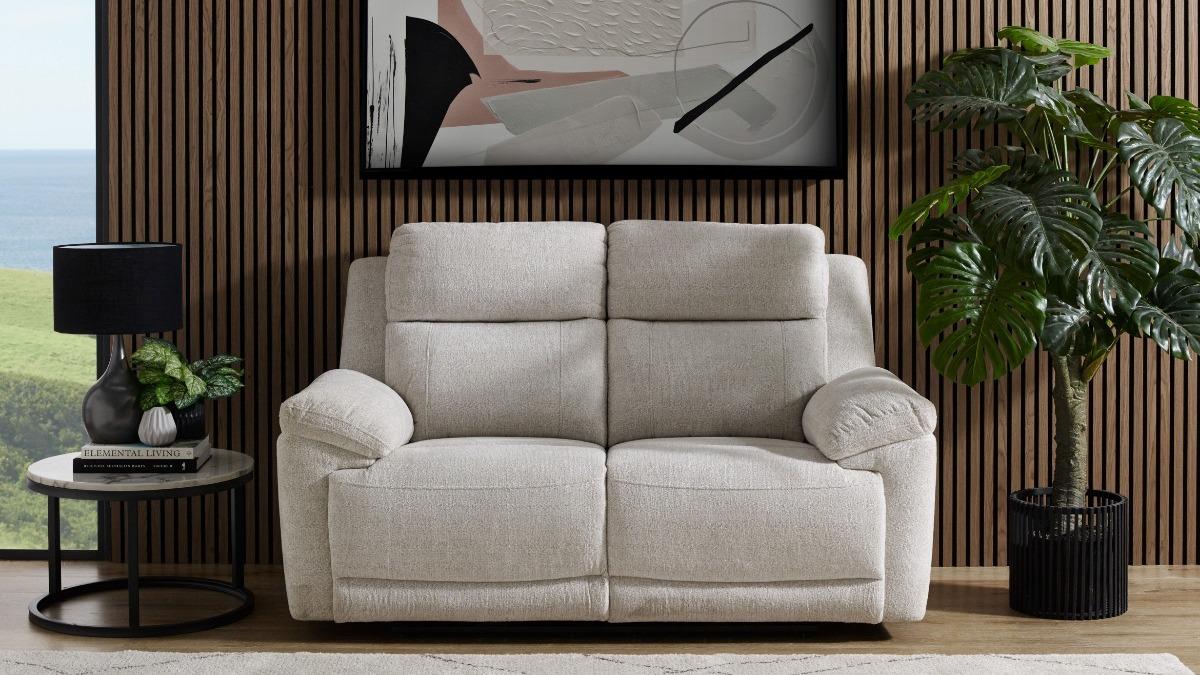
How to Choose the Right 2 Seater Sofa for Small Spaces or Large Living Rooms

Best 2 Seater Sofas in Australia for Comfort and Style in Any Space

Choosing the perfect two-seater sofa can be a daunting task, especially when considering the varying dimensions of living spaces. Whether you reside in a compact flat or a spacious home, the right sofa can enhance both comfort and aesthetics. This guide will explore essential factors to consider when selecting a two-seater sofa, ensuring it complements your living space, meets your needs, and reflects your personal style.

Understanding Your Space

Before diving into the specifics of best 2 seater sofas selection, it’s crucial to assess the space where the sofa will reside. Understanding the dimensions and layout of your room will help you make an informed decision.

Measuring Your Space

Begin by measuring the area where you intend to place the sofa. Take note of the length, width, and height of the space. Consider the following:

  • Ensure there is enough room for the sofa without overcrowding the area.
  • Leave space for movement around the sofa, ideally at least 60cm for pathways.
  • Account for any other furniture pieces that will be in proximity, such as coffee tables or armchairs.

Considering Layout and Flow

The layout of your living room significantly influences the type of sofa you should choose. In smaller spaces, a two-seater sofa can serve as a focal point or a functional piece that complements other furniture. In larger rooms, it can be part of a more extensive seating arrangement. Think about:

  • How the sofa will fit within the overall design of the room.
  • The flow of movement and how people will interact with the space.
  • Creating balance with other furniture pieces.

Choosing the Right Style

The style of your two-seater sofa should reflect your personal taste while also harmonising with the existing decor. There are various styles to consider, each offering a unique aesthetic.

Modern vs. Traditional

Modern sofas often feature clean lines, minimalistic designs, and contemporary fabrics, making them ideal for a sleek, updated look. Traditional sofas, on the other hand, may include ornate details, plush upholstery, and classic shapes, perfect for a more timeless, elegant atmosphere. Consider the following:

  • What style resonates with your personal aesthetic?
  • How does the chosen style fit with your current decor?

Colour and Fabric Choices

The colour and fabric of your sofa can dramatically affect the room’s atmosphere. Neutral tones tend to create a calm environment, while bold colours can add vibrancy and character. When selecting fabric, consider:

  • Durability, especially if you have pets or children.
  • Maintenance requirements, as some fabrics are easier to clean than others.
  • Comfort, ensuring the fabric feels good against the skin.

Read more about trending fabric options at https://www.fitnyc.edu/museum/exhibitions/fabric-in-fashion.php

Functionality and Comfort

Beyond aesthetics, the functionality and comfort of a two-seater sofa are paramount. Consider how you will use the sofa and what features are essential for your lifestyle.

Section Image

Assessing Comfort Levels

Comfort is subjective and can vary greatly from person to person. When testing a sofa, consider the following:

  • Seat depth and height: Ensure it suits your body type and provides adequate support.
  • Cushion firmness: Some prefer soft cushions, while others may favour firmer support.
  • Backrest angle: A comfortable angle can enhance relaxation.

Additional Features

Modern two-seater sofas come with various features that can enhance their functionality. Consider options such as:

  • Reclining mechanisms for added comfort.
  • Storage solutions, such as hidden compartments for blankets or cushions.
  • Convertible designs that can transform into a bed for guests.

Budget Considerations

Setting a budget is essential when shopping for a two-seater sofa. Prices can vary significantly based on materials, design, and brand. Here are some tips to help you stay within your budget:

Determining Your Budget

Establish a realistic budget that reflects your financial situation. Consider the following:

  • What is the maximum amount you are willing to spend?
  • Are there any additional costs, such as delivery or assembly?
  • Would you prefer to invest in a higher-quality piece that may last longer?

To learn more about creating your own budget click here.

Exploring Options

Once you have a budget in mind, explore various options. Consider:

  • Shopping at different retailers, both online and in-store, to compare prices.
  • Looking for sales or discounts, especially during holiday seasons.
  • Considering second-hand options, which can provide excellent value for money.

Final Considerations

After assessing your space, style preferences, comfort needs, and budget, it’s time to make your final decision. Here are a few last tips to ensure you choose the right two-seater sofa:

Best 2 Seater Sofas in Australia for Comfort and Style in Any Space

Visualising the Sofa in Your Space

Before making a purchase, try to visualise how the sofa will look in your living room. You can:

  • Use online room planners to create a digital layout.
  • Cut out cardboard shapes to represent the sofa dimensions.
  • Consider fabric swatches to see how colours interact with your existing decor.

Seeking Expert Advice

If you’re still unsure, consider seeking advice from interior designers or furniture experts. They can provide valuable insights tailored to your specific needs and preferences. Additionally, customer reviews can offer perspectives on comfort and durability that may not be immediately apparent.

Conclusion

Choosing the right two-seater sofa requires careful consideration of various factors, including space, style, comfort, and budget. By taking the time to assess your needs and preferences, you can find a sofa that not only fits your living space but also enhances your lifestyle. Whether you opt for a sleek modern design or a classic traditional piece, the right sofa can transform your living room into a welcoming and stylish retreat.

Related : Best 2 Seater Sofas in Australia for Comfort and Style in Any Space

Best 2 Seater Sofas in Australia for Comfort and Style in Any Space

Best 2 Seater Sofas in Australia for Comfort and Style in Any Space

When it comes to furnishing a home, the choice of sofa can significantly impact both the comfort and aesthetic appeal of a space. In Australia, where living spaces can vary from compact apartments to spacious homes, the demand for versatile furniture is ever-present. Two-seater sofas are particularly popular for their ability to fit into smaller areas while still providing ample seating. This guide explores the best two-seater sofas available in Australia, focusing on comfort, style, and functionality.

Why Choose a Two-Seater Sofa?

2 seater sofas offer a unique blend of practicality and style, making them an ideal choice for various living situations. They are perfect for small apartments, cosy living rooms, or as additional seating in larger spaces. Their compact size allows for flexibility in arrangement, enabling homeowners to create inviting environments without overwhelming the room.

Moreover, two-seater sofas can serve multiple purposes. They can be used as a primary seating option in a small lounge, a reading nook in a bedroom, or even as a stylish accent piece in a larger living area. Their versatility makes them a staple in modern Australian homes.

Space Efficiency

One of the most significant advantages of a two-seater sofa is its space efficiency. In urban areas where living spaces are often limited, a two-seater can provide comfort without compromising on style. They can easily fit into corners, alongside walls, or even serve as a divider in open-plan living spaces.

Additionally, many two-seater sofas come with modular designs, allowing homeowners to combine them with other seating options or furniture pieces. This adaptability is particularly beneficial for those who frequently entertain guests or rearrange their living spaces.

Best 2 Seater Sofas in Australia for Comfort and Style in Any Space

Design Versatility

Two-seater sofas are available in a myriad of designs, colours, and materials, making it easy to find one that complements any décor. From sleek modern lines to classic vintage styles, there is a two-seater sofa to suit every taste. Popular materials include leather, fabric, and velvet, each offering different textures and aesthetics.

Furthermore, the colour palette for two-seater sofas ranges from neutral tones that blend seamlessly with existing furnishings to bold hues that make a statement. This variety allows homeowners to express their personal style while ensuring that the sofa fits harmoniously within the overall design scheme of their home.

Top Features to Consider When Choosing a Two-Seater Sofa

When selecting the perfect two-seater sofa, several features should be taken into account to ensure that it meets both comfort and style requirements. Understanding these features can help buyers make informed decisions that align with their lifestyle and preferences.

Comfort and Support

Comfort is paramount when choosing a sofa. Look for sofas with high-density foam cushions that provide adequate support while maintaining softness. Additionally, consider the depth and height of the seat; a deeper seat may be more comfortable for lounging, while a shallower seat can be more suitable for upright seating.

Furthermore, the backrest design plays a crucial role in comfort. Sofas with a slightly reclined backrest can enhance relaxation, while those with a more upright design may be better for socialising or working. Testing the sofa in-store or checking customer reviews can provide insight into its comfort level.

Durability and Quality

Investing in a high-quality two-seater sofa is essential for long-term satisfaction. Look for sofas made from durable materials, such as hardwood frames and high-quality upholstery. These materials not only enhance the sofa’s lifespan but also contribute to its overall aesthetic appeal.

Additionally, consider the warranty offered by the manufacturer. A good warranty can provide peace of mind, ensuring that any potential issues can be addressed without incurring extra costs. Researching brands known for their quality craftsmanship can also guide buyers towards reliable options. Read more about the importance of durability and quality at https://www.edhec.edu/en/research-and-faculty/edhec-vox/product-reparability-durability-vs-reliability-communication-issues

Style and Aesthetics

The style of the two-seater sofa should align with the overall décor of the home. For a contemporary look, consider minimalist designs with clean lines and neutral colours. Alternatively, for a more traditional aesthetic, opt for sofas with ornate details and rich fabrics.

Accent features, such as tufting, piping, or unique leg designs, can also add character to a two-seater sofa. These elements can transform a simple piece into a focal point of the room, enhancing the overall visual appeal.

Best Two-Seater Sofas Available in Australia

With numerous options available, selecting the best two-seater sofa can be overwhelming. Below are some of the top contenders in the Australian market, known for their comfort, style, and quality.

1. The West Elm Slope Sofa

The West Elm Slope Sofa is a modern classic that combines style with comfort. Its sleek lines and plush cushions make it an excellent choice for contemporary living spaces. Available in various fabrics and colours, it can easily fit into any décor scheme.

Additionally, the Slope Sofa features a sturdy frame and high-density foam cushions, ensuring durability and support. Its compact design makes it ideal for smaller rooms, while still providing ample seating for two.

2. The Koala Sofa

Koala is an Australian brand known for its eco-friendly furniture. The Koala Sofa is designed with sustainability in mind, using recycled materials and non-toxic fabrics. This sofa offers a modern aesthetic with its clean lines and minimalist design.

Comfort is not compromised, as the Koala Sofa features high-quality foam cushions and a supportive frame. Its removable covers make it easy to clean, making it a practical choice for families or pet owners.

3. The Freedom Furniture Livia Sofa

The Livia Sofa from Freedom Furniture is a stylish option that blends comfort with elegance. Its curved silhouette and plush cushions create a welcoming atmosphere, perfect for lounging or entertaining.

Available in various upholstery options, including velvet and linen, the Livia Sofa can be customised to suit individual tastes. Its sturdy construction ensures longevity, making it a worthwhile investment for any home.

4. The IKEA FÄRLÖV Sofa

The FÄRLÖV Sofa from IKEA is a popular choice for those seeking a blend of comfort and classic design. Its deep seat and soft cushions provide a luxurious seating experience, while its traditional styling adds a touch of sophistication to any room.

This sofa is available in multiple colours and fabrics, allowing for personalisation to match existing décor. With its solid wood frame and high-quality upholstery, the FÄRLÖV is built to last, making it a smart addition to any home.

Maintaining Your Two-Seater Sofa

To ensure that your two-seater sofa remains in excellent condition, regular maintenance is essential. Proper care can prolong its lifespan and keep it looking fresh and inviting.

Section Image

Regular Cleaning

Depending on the material of your sofa, cleaning methods may vary. For fabric sofas, vacuuming regularly can help remove dust and debris. Spot cleaning stains promptly with a suitable cleaner can prevent permanent damage. For leather sofas, a damp cloth followed by a leather conditioner can keep the material supple and prevent cracking.

It is advisable to consult the manufacturer’s care instructions for specific cleaning recommendations. Regular maintenance not only enhances the sofa’s appearance but also contributes to a healthier living environment. Click here to learn about cleaning more effectively.

Protecting from Sunlight

Direct sunlight can cause fading and damage to upholstery over time. To protect your two-seater sofa, consider placing it away from windows or using curtains and blinds to limit exposure to sunlight. Additionally, using throws or slipcovers can provide an extra layer of protection against UV rays.

Rearranging and Rotating Cushions

To prevent uneven wear, it is beneficial to rearrange the sofa and rotate the cushions periodically. This practice ensures that all areas of the sofa receive equal use, maintaining its shape and comfort level. It also allows for a fresh look in your living space without the need for new furniture.

Conclusion

Choosing the right two-seater sofa can significantly enhance the comfort and style of any space. With a variety of options available in Australia, it is essential to consider factors such as comfort, durability, and design when making a selection. The best two-seater sofas not only provide a cosy seating solution but also serve as a statement piece that reflects personal style.

By investing in a quality two-seater sofa and maintaining it properly, homeowners can enjoy a stylish and comfortable addition to their living spaces for years to come. Whether opting for a modern design or a classic piece, the right two-seater sofa can transform a room, making it a welcoming environment for family and friends.

Related : How to Choose the Right 2 Seater Sofa for Small Spaces or Large Living Rooms

How to Achieve Food Safety and Compliance in Your Business

food safety and compliance

In today’s competitive food industry, ensuring food safety and compliance is not just a regulatory requirement; it is a fundamental aspect of maintaining a reputable business. The consequences of neglecting food safety can be severe, including legal penalties, financial losses, and damage to a brand’s reputation. This article outlines essential strategies to help businesses achieve food safety and compliance, ensuring the protection of both consumers and the organisation.

Understanding Food Safety Regulations

The first step in achieving food safety and compliance is to understand the regulations that govern the food industry. In Australia, the Food Standards Australia New Zealand (FSANZ) sets the national food standards, which are crucial for maintaining food safety.

Key Legislation and Standards

Businesses must be aware of various pieces of legislation, such as the Food Act 2003 (NSW) and the Australia New Zealand Food Standards Code. These documents provide guidelines on food handling, preparation, and storage, ensuring that food products are safe for consumption.

Compliance with these standards is not optional; it is a legal requirement. Non-compliance can lead to significant fines and even closure of the business. Therefore, it is essential for businesses to stay updated with any changes in legislation and adapt their practices accordingly. Furthermore, training staff in food safety protocols is paramount, as human error is often a leading cause of foodborne illnesses. Regular training sessions can help reinforce the importance of these regulations and ensure that all employees are well-versed in safe food handling techniques.

The Role of Local Authorities

Local councils play a vital role in enforcing food safety regulations. They conduct inspections and audits to ensure compliance with food safety standards. It is crucial for businesses to maintain open communication with local authorities and seek their guidance when necessary. Regular inspections can also serve as a valuable opportunity to identify areas for improvement in food safety practices.

In addition to inspections, local authorities often provide resources and support for businesses looking to enhance their food safety measures. This can include workshops, informational seminars, and access to best practice guidelines. Engaging with these resources not only helps businesses comply with regulations but also fosters a culture of safety and accountability within the food industry. By actively participating in community initiatives focused on food safety, businesses can further demonstrate their commitment to public health and build trust with their customers.

Implementing a Food Safety Management System

A robust Food Safety Management System (FSMS) is essential for any food business. This system should encompass all aspects of food safety, from sourcing ingredients to serving the final product. Implementing an FSMS not only ensures compliance with regulations but also promotes a culture of safety within the organisation.

Hazard Analysis and Critical Control Points (HACCP)

One of the most effective ways to manage food safety is through the Hazard Analysis and Critical Control Points (HACCP) approach. This systematic method identifies potential hazards in the food production process and establishes critical control points to mitigate these risks.

By conducting a thorough hazard analysis, businesses can pinpoint where food safety risks may arise, whether during food preparation, storage, or transportation. Establishing critical control points allows businesses to monitor these risks effectively, ensuring that corrective actions are taken when necessary.

Training and Staff Engagement

Training staff on food safety practices is crucial for the successful implementation of an FSMS. Employees should be well-versed in hygiene practices, proper food handling techniques, and the importance of reporting any potential hazards.

Engaging staff in food safety initiatives fosters a culture of accountability and encourages them to take ownership of their role in maintaining safety standards. Regular training sessions, workshops, and refresher courses can help keep food safety at the forefront of employees’ minds.

Maintaining Hygiene and Sanitation

Hygiene and sanitation are fundamental components of food safety. Establishing strict cleaning protocols and ensuring that all staff adhere to these practices is essential for preventing contamination.

Cleaning Schedules and Procedures

Developing a comprehensive cleaning schedule is vital for maintaining a hygienic environment. This schedule should outline daily, weekly, and monthly cleaning tasks, specifying who is responsible for each task. Regular audits of cleaning practices can help ensure compliance and identify any areas that require improvement.

In addition to routine cleaning, businesses should also implement procedures for deep cleaning and sanitising equipment and surfaces. This is particularly important in high-risk areas, such as food preparation zones and storage facilities.

food safety and compliance

Personal Hygiene Practices

Employees must be trained in personal hygiene practices to minimise the risk of food contamination. This includes regular handwashing, wearing appropriate clothing, and maintaining cleanliness while working. Establishing clear guidelines on personal hygiene can help reinforce the importance of these practices among staff.

Monitoring and Record Keeping

Effective monitoring and record-keeping are essential for ensuring compliance with food safety regulations. Businesses must establish procedures for tracking food safety practices and documenting compliance efforts.

Temperature Control and Monitoring

Temperature control is critical in preventing the growth of harmful bacteria. Businesses should implement systems for monitoring temperatures of food storage areas, cooking processes, and serving temperatures. Regular checks and recordings should be made to ensure that all temperatures remain within safe limits.

Using technology, such as temperature monitoring devices, can streamline this process and provide real-time data, allowing for immediate corrective actions if temperatures deviate from the safe range.

Documentation and Reporting

Maintaining accurate records of food safety practices is essential for demonstrating compliance during inspections. Documentation should include records of training sessions, cleaning schedules, temperature logs, and any incidents related to food safety.

Regular reviews of these records can help identify trends and areas for improvement, allowing businesses to proactively address potential issues before they escalate.

Engaging with Customers and Building Trust

In an era where consumers are increasingly concerned about food safety, businesses must engage with their customers and build trust. Transparency in food safety practices can enhance a brand’s reputation and foster customer loyalty.

Communicating Food Safety Practices

Businesses should communicate their food safety practices to customers, whether through signage in-store, information on websites, or social media platforms. Sharing details about sourcing, preparation methods, and hygiene standards can reassure customers about the safety of the food they consume.

Engaging customers in conversations about food safety can also provide valuable feedback and insights, allowing businesses to continuously improve their practices.

Responding to Customer Concerns

When customers raise concerns about food safety, it is essential for businesses to respond promptly and professionally. Addressing complaints and taking corrective actions demonstrates a commitment to food safety and customer satisfaction.

Establishing a clear process for handling customer feedback can help businesses manage concerns effectively and maintain a positive reputation in the community.

Staying Informed and Adapting to Changes

The food industry is constantly evolving, with new regulations, technologies, and consumer expectations emerging regularly. Businesses must stay informed and be willing to adapt their practices to meet these changes. Check out more about food temperature probes vs wireless monitoring devices.

Continuous Education and Training

Investing in continuous education and training for staff is crucial for staying ahead in food safety compliance. Attending workshops, industry conferences, and online courses can provide valuable insights into the latest trends and best practices in food safety.

Encouraging staff to pursue professional development opportunities can also enhance their skills and knowledge, ultimately benefiting the business as a whole.

Adapting to Technological Advancements

Technology plays a significant role in improving food safety and compliance. Businesses should explore innovative solutions, such as digital monitoring systems, automated inventory management, and data analytics, to enhance their food safety practices.

Embracing technology can streamline processes, reduce human error, and provide real-time insights into food safety compliance, making it easier for businesses to maintain high standards.

food safety and compliance

Conclusion

Achieving food safety and compliance is an ongoing commitment that requires diligence, education, and adaptability. By understanding regulations, implementing effective management systems, maintaining hygiene, and engaging with customers, businesses can create a culture of safety that protects both consumers and the organisation.

As the food industry continues to evolve, staying informed and proactive in food safety practices will not only ensure compliance but also enhance the overall success and reputation of the business. Ultimately, prioritising food safety is not just about meeting legal requirements; it is about fostering trust and ensuring the well-being of customers.

Food Temperature Probes vs Wireless Monitoring Devices: Pros and Cons

food temperature probe

In the world of food safety, maintaining the correct temperature is crucial to preventing foodborne illnesses. As technology advances, the methods for monitoring food temperatures have evolved significantly. Two popular options on the market today are traditional food temperature probes and modern wireless monitoring devices. Each has its own set of advantages and disadvantages, making it essential for food service professionals and home cooks alike to understand their options. This article will explore the pros and cons of both tools, helping you make an informed decision for your culinary needs.

Understanding Food Temperature Probes

What Are Food Temperature Probes?

Food temperature probes, often referred to as thermometers, are handheld devices designed to measure the internal temperature of food. They come in various types, including digital, dial, and infrared thermometers. These tools are essential for ensuring that food is cooked to safe temperatures, thus reducing the risk of foodborne pathogens. The importance of these devices cannot be overstated, as they play a crucial role in food safety and quality, helping to maintain the integrity of culinary creations.

Advantages of Food Temperature Probes

One of the primary benefits of food temperature probe is their accuracy. High-quality probes can provide precise temperature readings within seconds, allowing cooks to ensure that meat, poultry, and other foods are cooked safely. Additionally, many digital probes feature instant-read capabilities, which can be invaluable in fast-paced kitchen environments. This quick feedback not only aids in achieving the perfect doneness but also helps in preventing overcooking, which can lead to dryness and loss of flavour.

Another advantage is the simplicity of use. Most temperature probes require minimal setup—just insert the probe into the food, and the temperature is displayed on the screen. This straightforward operation makes them accessible for both professional chefs and home cooks. Furthermore, many modern probes come equipped with additional features such as timers and alarms, which can alert the user when the desired temperature is reached, thus allowing for greater multitasking in the kitchen.

Disadvantages of Food Temperature Probes

While food temperature probes are invaluable, they do have some limitations. One significant drawback is that they require manual operation. This means that a cook must be present to take the temperature, which can be inconvenient in busy kitchens where multitasking is essential. In such scenarios, the need to pause and check the temperature can disrupt the flow of cooking, potentially leading to delays in service.

Moreover, traditional probes may not be suitable for long-term monitoring. Once the temperature is taken, the probe must be removed, and there is no ongoing data collection. This can lead to missed opportunities for monitoring temperature fluctuations over time, especially during cooking processes that require precise temperature control. For instance, when slow-roasting meats or making delicate confections, maintaining a consistent temperature is vital, and the inability to continuously monitor can result in less-than-ideal outcomes. As a result, some chefs may opt for more advanced solutions, such as wireless or Bluetooth-enabled probes, which allow for remote monitoring and greater flexibility in the kitchen.

The Rise of Wireless Monitoring Devices

What Are Wireless Monitoring Devices?

Wireless monitoring devices represent a significant leap in food temperature management technology. These devices typically consist of sensors placed in or around food items, which transmit temperature data to a central hub or a smartphone app. This allows for real-time monitoring and alerts, ensuring that food remains within safe temperature ranges. The technology often employs advanced algorithms to analyse the data, providing insights not only into current temperatures but also into trends over time, which can be invaluable for optimising food storage practices.

Advantages of Wireless Monitoring Devices

One of the most significant advantages of wireless monitoring devices is their ability to provide continuous temperature readings without the need for manual intervention. This feature is particularly beneficial in commercial kitchens, where staff can focus on other tasks while the device monitors temperatures in the background. In addition, these devices can often be integrated with other kitchen management systems, creating a seamless workflow that enhances overall efficiency. For instance, some systems allow for automatic logging of temperature data, which can be useful for compliance with health regulations and for audits.

Additionally, many wireless devices come equipped with alert systems that notify users when temperatures fall outside of the designated safe range. This proactive approach can help prevent food spoilage and reduce the risk of foodborne illnesses. Moreover, some advanced models offer cloud connectivity, enabling users to access their data remotely and make informed decisions even when they are not physically present in the kitchen. This feature is particularly useful for restaurant owners who manage multiple locations, as it allows for centralised monitoring and management of food safety across all sites.

Disadvantages of Wireless Monitoring Devices

Despite their many benefits, wireless monitoring devices are not without their drawbacks. One major concern is the reliance on technology. These devices require batteries or a power source, and any failure in the system can lead to inaccurate readings or complete data loss. Additionally, the potential for connectivity issues can pose a challenge, especially in environments with thick walls or interference from other electronic devices. Users must ensure that their Wi-Fi or Bluetooth connections are stable to maintain the integrity of the monitoring process.

Furthermore, the initial cost of wireless monitoring devices can be significantly higher than traditional probes. For small businesses or home cooks, this investment may not seem justifiable, especially when simpler solutions are available. Additionally, there may be a learning curve associated with setting up and using these devices effectively. Users must familiarise themselves with the technology, which can include downloading apps, configuring settings, and understanding how to interpret the data provided. This can be daunting for those who are not particularly tech-savvy, leading to frustration and potential underutilisation of the device’s capabilities.

food temperature probe

Comparative Analysis: Food Temperature Probes vs Wireless Monitoring Devices

Accuracy and Reliability

When it comes to accuracy, both food temperature probes and wireless monitoring devices can provide reliable readings. However, traditional probes often excel in providing instant feedback, making them a preferred choice for quick checks. Wireless devices, on the other hand, may have slight delays in data transmission, which can be a consideration in time-sensitive situations.

Ease of Use and Convenience

Food temperature probes are straightforward and easy to use, requiring minimal training. In contrast, while wireless monitoring devices can be more complex to set up initially, their long-term convenience often outweighs this drawback. Once configured, they allow users to monitor multiple food items simultaneously without constant attention.

Cost Considerations

Cost is a significant factor for many users. Traditional food temperature probes are generally more affordable, making them accessible for individuals and small businesses. Wireless monitoring devices, while more expensive upfront, can save money in the long run by reducing food waste and improving operational efficiency.

See Also : How to Achieve Food Safety and Compliance in Your Business

Choosing the Right Tool for Your Needs

Factors to Consider

When deciding between food temperature probes and wireless monitoring devices, several factors should be taken into account. The scale of your cooking operation is paramount. For small-scale cooking or occasional use, a simple food temperature probe may suffice. However, for larger operations, such as restaurants or catering services, investing in wireless monitoring technology could enhance efficiency and food safety.

Specific Applications

Different cooking methods and food types may also influence your choice. For instance, when grilling or roasting, a traditional probe might be more practical for quick checks. Conversely, when holding food at safe temperatures in a commercial setting, a wireless device can provide ongoing monitoring without the need for constant supervision.

Future Trends in Food Temperature Monitoring

As technology continues to evolve, the future of food temperature monitoring looks promising. Innovations such as smart kitchen appliances that integrate temperature monitoring capabilities are becoming more common. These advancements could further blur the lines between traditional probes and wireless devices, offering users even more flexibility and control over their cooking processes.

food temperature probe

Conclusion

In conclusion, both food temperature probes and wireless monitoring devices have their unique advantages and disadvantages. Traditional probes offer simplicity and accuracy, making them ideal for quick checks and smaller operations. In contrast, wireless monitoring devices provide continuous oversight and alerts, which can be invaluable in larger or more complex cooking environments.

Ultimately, the best choice depends on individual needs, budget, and the specific context in which the tools will be used. By understanding the pros and cons of each option, cooks can ensure they maintain the highest standards of food safety and quality in their culinary practices.

As technology continues to advance, staying informed about the latest developments in food temperature monitoring will be essential for anyone involved in the food industry. Whether opting for a traditional probe or a cutting-edge wireless device, the goal remains the same: to keep food safe and delicious.

Top Sofa Beds for Sale in Sydney This Year

Sofa Beds Sydney

In a bustling city like Sydney, where space can often be at a premium, the versatility of a sofa bed becomes invaluable. Not only do these multifunctional pieces of furniture provide a comfortable seating area for daily use, but they also transform into a cosy sleeping space for guests. This year, a variety of stylish and practical sofa beds are available for sale across Sydney, catering to different tastes and budgets. Here, we explore some of the top options that stand out in terms of design, comfort, and functionality.

Why Choose a Sofa Bed?

Sofa beds have evolved significantly over the years, moving beyond the traditional, bulky designs of the past. Modern sofa beds offer sleek aesthetics, ensuring they fit seamlessly into contemporary interiors while providing the practicality of an additional sleeping space. They are ideal for those who frequently host guests or simply want to maximise their living space.

Moreover, the convenience of a sofa beds Sydney means that it can serve multiple purposes throughout the day. Whether it’s a comfortable spot for lounging during the day or a restful bed at night, these versatile pieces can adapt to your lifestyle. With a range of styles, materials, and mechanisms available, there’s a sofa bed to suit every home.

In addition to their functional benefits, sofa beds also come in a myriad of designs that can enhance the aesthetic appeal of your living area. From chic mid-century modern styles to plush, contemporary options, you can find a sofa bed that complements your existing decor. Many manufacturers now offer customisation options, allowing you to choose fabrics, colours, and finishes that reflect your personal style. This means that your sofa bed can be as much a statement piece as it is a practical solution for overnight guests.

Furthermore, the advancements in mattress technology have significantly improved the comfort of sofa beds. Many now feature high-quality memory foam or pocket spring mattresses, ensuring that your guests enjoy a restful night’s sleep. This is particularly important for those who may be hesitant about sleeping on a sofa bed due to past experiences with uncomfortable designs. With the right choice, a sofa bed can provide a surprisingly luxurious sleeping experience, making it a welcome addition to any home.

Top Picks for Sofa Beds in Sydney

1. The Luxe Convertible Sofa Bed

For those who appreciate elegance and comfort, the Luxe Convertible Sofa Bed is a top contender. This model features a sleek design with plush upholstery that adds a touch of sophistication to any room. The sofa easily converts into a bed with a simple pull mechanism, making it incredibly user-friendly. To read more about mechanism click here.

Available in a range of colours, the Luxe sofa bed can complement various interior styles, from modern to classic. Additionally, its high-density foam mattress ensures a comfortable night’s sleep, making it an excellent choice for both everyday use and occasional guests.

2. The Urban Compact Sofa Bed

Perfect for smaller spaces, the Urban Compact Sofa Bed is designed with city living in mind. Its minimalist design and slim profile allow it to fit into tight corners and smaller rooms without sacrificing style or comfort. This sofa bed features a fold-out mechanism that is both simple and efficient, transforming from a chic sofa into a bed in seconds.

The Urban model is upholstered in durable fabric, making it easy to clean and maintain. It also comes with built-in storage, providing a practical solution for stowing away bedding or other essentials. This combination of functionality and style makes it a favourite among those living in compact apartments.

Sofa Beds Sydney

3. The Classic Chesterfield Sofa Bed

For those who love timeless designs, the Classic Chesterfield Sofa Bed offers a luxurious option that never goes out of style. With its iconic tufted design and rolled arms, this sofa bed adds a touch of elegance to any living space. The Chesterfield is not only visually appealing but also incredibly comfortable, featuring a high-quality mattress that guarantees a restful sleep.

This model is available in various leather and fabric options, allowing homeowners to choose a finish that best suits their decor. The sturdy construction ensures durability, making it a worthwhile investment for years to come. Learn more about durability on https://rmur.edu.pk/

Considerations When Buying a Sofa Bed

When selecting a sofa bed, there are several factors to consider to ensure you choose the right one for your needs. Understanding these key aspects can help narrow down the options and lead to a more satisfying purchase.

Size and Space

Before making a decision, it is essential to measure the available space in your home. Sofa beds come in various sizes, from compact models suitable for small apartments to larger options for spacious living rooms. Consider how much room you have when the sofa is in both its seating and sleeping configurations.

Additionally, think about the layout of your room. A sofa bed should complement the existing furniture and not obstruct pathways or flow within the space. Choosing the right size will ensure that the sofa bed is both functional and aesthetically pleasing.

Comfort Level

Comfort is paramount when selecting a sofa bed. The seating and sleeping surfaces should provide adequate support and cushioning. Look for models with high-density foam or memory foam mattresses, as these materials tend to offer better comfort for overnight guests.

It’s also worth testing the sofa bed in-store, if possible, to gauge how comfortable it feels when sitting and lying down. A good sofa bed should not only be stylish but also provide a restful experience for both seating and sleeping.

Style and Aesthetics

The style of the sofa bed should align with your personal taste and complement the overall decor of your home. From modern and minimalist designs to classic and ornate styles, there is a wide range of options available. Consider the colour, material, and design features that will best suit your living space.

Additionally, think about how the sofa bed will fit into your lifestyle. If you entertain guests frequently, a more sophisticated design may be appropriate, while a casual style might be better suited for a family home.

Where to Buy Sofa Beds in Sydney

Sydney boasts a plethora of furniture retailers and online stores offering an extensive selection of sofa beds. Whether you prefer to shop in person or online, there are numerous options available to suit every preference.

Local Furniture Stores

Visiting local furniture stores allows you to see and test the sofa beds in person. Many retailers in Sydney offer a wide range of styles, sizes, and prices. Stores such as Freedom, IKEA, and Domayne are popular choices for those seeking quality sofa beds. These retailers often have knowledgeable staff who can assist with any questions and help you find the perfect fit for your home.

Online Retailers

For those who prefer the convenience of online shopping, several reputable websites offer a vast selection of sofa beds. Websites like Temple & Webster and Catch provide detailed descriptions, customer reviews, and images to help you make an informed decision. Online shopping also allows for easy price comparisons, ensuring you find the best deal.

When purchasing online, it is essential to check the return policy and delivery options, as well as any additional costs associated with shipping. Many retailers offer free delivery within certain areas, making it easier to get your new sofa bed home.

Conclusion

In conclusion, investing in a quality sofa bed can significantly enhance the functionality of your living space while providing comfort for both seating and sleeping. With various options available in Sydney this year, from the elegant Luxe Convertible to the compact Urban model, there is something to suit every taste and budget.

Section Image

When selecting a sofa bed, consider factors such as size, comfort, and style to ensure you make the right choice for your home. Whether you choose to shop locally or online, the perfect sofa bed awaits to transform your space into a versatile and inviting environment for you and your guests.

As you explore the options, remember that a well-chosen sofa bed not only serves a practical purpose but also adds to the overall aesthetic of your home. Happy shopping!

Learn more on: Best Sofa Beds in Australia Comfort and Style Combined

Best Sofa Beds in Australia: Comfort and Style Combined

Best Sofa Beds Australia

In a world where space is often at a premium, the sofa bed has emerged as a versatile solution for both comfort and style. Whether you’re accommodating guests or simply looking to maximise your living area, the right sofa bed can seamlessly blend functionality with aesthetic appeal. This article explores some of the best sofa beds available in Australia, highlighting their features, benefits, and what makes them stand out in the crowded market.

Why Choose a Sofa Bed?

Sofa beds offer a unique combination of practicality and design. They are particularly advantageous for those living in smaller homes or apartments where every square metre counts. Not only do they serve as a stylish seating option, but they also provide a comfortable sleeping space when needed.

Choosing the right sofa bed can significantly enhance your living space, providing both comfort and style. With numerous options of best sofa beds Australia, it is essential to consider factors such as comfort, size, and design to find the perfect fit for your home. Whether opting for the eco-friendly Koala Sofa Bed, the budget-friendly Zinus, or the stylish IKEA FRIHETEN, there is a sofa bed to suit every taste and requirement.

Section Image

Space-Saving Solutions

One of the primary reasons to consider a sofa bed is the space-saving aspect. In urban environments, where living spaces are often limited, a sofa bed can eliminate the need for a separate guest room. This multifunctional furniture allows homeowners to utilise their living area more efficiently, making it an ideal choice for studio apartments or smaller homes. Furthermore, many sofa beds are designed with additional storage options, such as compartments beneath the seating area, providing a clever solution for stowing away bedding, cushions, or other essentials, thereby keeping the living space tidy and organised.

Versatile Design Options

Modern sofa beds come in a variety of designs, materials, and colours, ensuring that there is something to suit every taste and interior decor. From sleek, contemporary styles to more traditional designs, the options are endless. This versatility means that a sofa bed can easily complement existing furniture and enhance the overall aesthetic of a room. Moreover, many manufacturers now offer customisation options, allowing buyers to select their preferred upholstery, leg styles, and even mattress types, ensuring that the sofa bed not only fits perfectly within the space but also meets personal comfort preferences. This level of personalisation can transform a functional piece of furniture into a statement item that reflects the homeowner’s individual style.

Read more at: Top Sofa Beds for Sale in Sydney This Year

Top Sofa Beds in Australia

When searching for the best sofa beds in Australia, several models stand out for their comfort, style, and durability. Below are some of the top contenders that have garnered positive reviews from customers and experts alike.

1. The Koala Sofa Bed

The Koala Sofa Bed is a popular choice among Australian consumers, known for its innovative design and high-quality materials. This sofa bed features a unique fold-out mechanism that makes transitioning from sofa to bed a breeze. With its plush cushions and supportive backrest, it provides excellent comfort for both sitting and sleeping.

Koala’s commitment to sustainability is another highlight. The sofa bed is made from eco-friendly materials, including a frame crafted from sustainably sourced timber and high-density foam that is free from harmful chemicals. This makes it an excellent choice for environmentally conscious consumers. Additionally, Koala offers a 120-night trial period, allowing customers to test the sofa bed in their own homes, ensuring it meets their comfort needs before making a long-term commitment. Learn more about sustainably at https://pubmed.ncbi.nlm.nih.gov/31237167/

2. The Zinus Sofa Bed

For those seeking a budget-friendly option without compromising on quality, the Zinus Sofa Bed is worth considering. This model features a modern design with clean lines and a neutral colour palette, making it easy to integrate into various decor styles.

What sets the Zinus apart is its easy assembly process. It comes with a simple instruction manual, allowing users to set it up in no time. Furthermore, the sofa bed is equipped with a comfortable memory foam mattress, ensuring a restful night’s sleep for guests. The Zinus Sofa Bed also boasts a sturdy steel frame, providing added durability and support, which is particularly beneficial for households with frequent overnight guests. Its compact size makes it ideal for smaller living spaces, proving that you don’t need a large area to accommodate comfort and style.

3. The IKEA FRIHETEN Sofa Bed

The IKEA FRIHETEN is a versatile option that offers both comfort and storage. This sofa bed features a spacious chaise lounge, which can be used for lounging during the day and transformed into a bed at night. Additionally, it includes hidden storage compartments, making it an excellent choice for those needing extra space for bedding or other items.

With its Scandinavian design, the FRIHETEN adds a touch of elegance to any living room. The sofa bed is available in various fabrics and colours, allowing customers to select the perfect match for their home. Moreover, IKEA’s commitment to affordability means that the FRIHETEN is accessible to a wide range of budgets, making it a popular choice among young professionals and families alike. The removable and washable covers also ensure that maintenance is a breeze, allowing you to keep your sofa bed looking fresh and new for years to come.

Best Sofa Beds Australia

Factors to Consider When Choosing a Sofa Bed

When selecting the ideal sofa bed, it is essential to consider several factors to ensure that it meets your needs and preferences. Here are some key aspects to keep in mind:

Comfort Level

Comfort is paramount when it comes to sofa beds. It is advisable to test the sofa bed in person, if possible, to assess its seating and sleeping comfort. Look for models with high-quality mattresses, as this can significantly affect the overall sleeping experience. Memory foam or pocket spring mattresses tend to provide better support and comfort compared to traditional foam options. Additionally, consider the sofa bed’s frame construction; a sturdy frame will not only enhance durability but also contribute to a more stable sleeping surface, ensuring that your guests have a restful night. Click here to find more about comfort.

Size and Dimensions

Before making a purchase, measure the space where the sofa bed will be placed. Consider both the dimensions of the sofa in its seated position and the size it will take up when converted into a bed. It is crucial to ensure that there is enough room for guests to move around comfortably. Furthermore, think about the height of the sofa bed; a lower profile may be easier for older guests to get in and out of, while a higher sofa can provide a more modern look and feel. Also, take into account the layout of your room; a corner sofa bed might be ideal for maximising space in a smaller living area.

Style and Aesthetics

The style of the sofa bed should align with the overall decor of your home. Consider the colour, fabric, and design elements that will complement your existing furniture. A well-chosen sofa bed can serve as a focal point in the room, enhancing its visual appeal. Additionally, think about the practicality of the fabric; materials such as leather or high-performance fabrics can be more resistant to stains and wear, making them ideal for households with children or pets. Don’t forget to explore various styles, from contemporary to vintage, as the right choice can reflect your personal taste while providing functional seating and sleeping solutions.

Moreover, consider the versatility of the sofa bed. Some models come with additional features such as built-in storage compartments, which can be incredibly useful for stowing away bedding or other items, helping to keep your living space tidy. Others may offer modular designs that can be rearranged to suit different occasions, allowing you to adapt your space for hosting gatherings or simply for your own comfort. By carefully evaluating these factors, you can select a sofa bed that not only meets your practical needs but also enhances the overall ambiance of your home.

Maintenance and Care Tips

To ensure that your sofa bed remains in excellent condition for years to come, proper maintenance is essential. Here are some tips to help keep your sofa bed looking and feeling great:

Regular Cleaning

Most sofa beds come with removable covers that can be washed according to the manufacturer’s instructions. Regularly vacuuming the sofa bed will help remove dust and debris, while spot cleaning any stains promptly will prevent them from setting in. For fabric sofa beds, consider using a fabric protector to guard against spills and stains.

Flipping the Mattress

If the sofa bed features a mattress that can be flipped, it is advisable to do so periodically. This practice helps to maintain the mattress’s shape and comfort level, prolonging its lifespan. Additionally, rotating the mattress can help distribute wear evenly.

Conclusion

Ultimately, investing in a quality sofa bed not only accommodates guests but also adds a touch of elegance to your home. With the right choice, you can enjoy the perfect blend of functionality and aesthetics, making your living space both inviting and practical.

How Designer 2 Seater Sofas Add Instant Flair to Any Living Room

How Designer 2 Seater Sofas Add Instant Flair to Any Living Room

In the realm of interior design, the living room serves as a focal point of comfort and style. One of the most impactful elements in this space is undoubtedly the sofa. Among the various options available, designer 2 seater sofas stand out as a remarkable choice for those looking to inject instant flair into their living rooms. With their unique designs, superior craftsmanship, and versatility, these sofas can transform any ordinary space into a sophisticated haven.

The Appeal of Designer 2 Seater Sofas

Designer 2 seater sofas are not merely functional pieces of furniture; they are statements of style and elegance. The appeal lies in their ability to blend aesthetics with comfort, making them an ideal choice for both small and spacious living rooms.

Stylish Designs

One of the most compelling reasons to consider a designer 2 seater sofa is the variety of stylish designs available. From contemporary minimalist styles to classic vintage looks, there is a design to suit every taste. These sofas often feature unique shapes, bold colours, and intricate detailing that can serve as a stunning centrepiece in any room.

Moreover, many designer sofas are crafted by renowned designers who understand the nuances of form and function. This expertise ensures that the sofa not only looks good but also provides the comfort and support needed for relaxation. The artistry involved in these designs often reflects current trends while also incorporating timeless elements, making them a wise investment for any home.

How Designer 2 Seater Sofas Add Instant Flair to Any Living Room

Quality Craftsmanship

Investing in a designer 2 seater sofa means investing in quality. These pieces are typically constructed using high-grade materials, ensuring durability and longevity. From the frame to the upholstery, every aspect is meticulously crafted to withstand the test of time.

Additionally, many designer sofas utilise premium cushioning materials that enhance comfort. This focus on quality craftsmanship not only elevates the aesthetic appeal but also ensures that the sofa remains a cherished part of the living room for years to come. The attention to detail in stitching and finishing often sets these pieces apart from mass-produced alternatives, making them a true reflection of artistry and dedication. Read more about the importance of craftsmanship at https://www.ied.edu/news/craftsmanship-as-a-strategic-value-for-luxury-fashion-market

Versatility in Style

Another significant advantage of designer 2 seater sofas is their versatility. They can seamlessly fit into various design themes, whether it’s a modern, eclectic, or traditional setting. This adaptability makes them an excellent choice for homeowners looking to refresh their living space without a complete overhaul.

Moreover, these sofas can be styled in numerous ways. Pairing them with vibrant cushions, throws, or even a chic coffee table can create a personalised look that reflects individual taste and style. The ability to easily switch out accessories allows for a dynamic living space that can evolve with changing trends or personal preferences, ensuring that the sofa remains a focal point while also adapting to the homeowner’s evolving aesthetic vision.

Furthermore, the compact size of a 2 seater sofa makes it an ideal choice for urban dwellers or those with limited space. They can be positioned in various configurations, whether against a wall or as part of a larger seating arrangement, allowing for flexibility in layout. This makes them not only a stylish addition but also a practical one, as they can enhance the functionality of a room without overwhelming it.

Enhancing the Living Room Aesthetic

Incorporating a designer 2 seater sofa into a living room can dramatically enhance the overall aesthetic. The right sofa can tie together various elements of the room, creating a harmonious and inviting atmosphere.

Creating a Focal Point

A designer 2 seater sofa can serve as a striking focal point in the living room. Its unique design and colour can draw the eye, making it the centrepiece of the space. This is particularly effective in smaller rooms where a bold statement piece can create a sense of depth and interest.

By strategically placing the sofa in the room, it can also influence the flow of the space. Arranging other furniture around it can create a cohesive look that invites conversation and relaxation. For example, positioning the sofa opposite a coffee table or near a fireplace can encourage social interaction, making it an ideal spot for gatherings with family and friends. Additionally, the choice of sofa style—be it minimalist, vintage, or eclectic—can set the tone for the entire room, guiding the selection of other furnishings and accessories.

Complementing Other Décor

Designer 2 seater sofas can complement various decorative elements within the living room. Whether it’s artwork, rugs, or lighting fixtures, the right sofa can enhance these features, creating a balanced and aesthetically pleasing environment.

For instance, a sleek, modern sofa can be paired with contemporary art pieces, while a more traditional sofa can harmonise beautifully with classic decor elements. This ability to complement existing decor makes designer sofas a versatile choice for any living room. Furthermore, the addition of decorative cushions or throws can further enhance the sofa’s appeal, allowing for seasonal updates or personal touches that reflect the homeowner’s style. The interplay of colours, patterns, and textures can create a dynamic visual experience that keeps the space feeling fresh and inviting. Click here to learn more about interior design.

Adding Texture and Colour

Texture and colour play crucial roles in interior design, and designer 2 seater sofas can add both in abundance. With a plethora of fabric options available, from luxurious velvet to durable leather, homeowners can choose a texture that suits their style and comfort preferences.

In terms of colour, designer sofas come in a range of hues, enabling individuals to make bold choices or opt for subtle tones that blend seamlessly with their existing palette. This flexibility allows for creativity in design, making it easy to refresh the living room’s look without extensive renovations. Additionally, the use of patterned fabrics can introduce an element of fun and playfulness, while solid colours can provide a more sophisticated and timeless appeal. By thoughtfully selecting a sofa that embodies these qualities, one can create an inviting atmosphere that not only reflects personal taste but also enhances the overall functionality of the living room.

Practical Benefits of 2 Seater Sofas

Beyond their aesthetic appeal, designer 2 seater sofas offer practical benefits that make them an ideal choice for many households. Their size and functionality can cater to various needs, making them a versatile addition to any living room.

Space-Saving Solutions

For those with limited space, a designer 2 seater sofa is an excellent solution. Unlike larger sectional sofas, these compact pieces can fit comfortably in smaller living rooms without compromising on style or comfort.

They can also be easily moved or rearranged, providing flexibility in design. This adaptability is particularly beneficial for those who enjoy changing their living space frequently or for those who may move homes in the future.

Comfort and Functionality

Comfort is paramount in any living room, and designer 2 seater sofas excel in this area. Many are designed with ergonomic considerations, ensuring that they provide the necessary support for lounging or entertaining guests.

Additionally, these sofas often come with various features such as reclining options or built-in storage, enhancing their functionality. This makes them not only a stylish choice but also a practical one for everyday living.

Perfect for Intimate Settings

Designer 2 seater sofas are perfect for creating intimate settings within the living room. They encourage conversation and connection, making them ideal for couples or small gatherings. The close seating arrangement fosters a sense of warmth and togetherness, which is often desired in a home environment.

Furthermore, they can be paired with additional seating options, such as stylish armchairs or poufs, to create a cosy and inviting atmosphere for entertaining guests.

Choosing the Right Designer 2 Seater Sofa

With so many options available, selecting the right designer 2 seater sofa can feel overwhelming. However, considering a few key factors can simplify the decision-making process and ensure a satisfying purchase.

Assessing Your Space

Before making a purchase, it’s essential to assess the available space in the living room. Measuring the area where the sofa will be placed can help determine the appropriate size and style. Consideration should also be given to the layout and flow of the room, ensuring that the sofa complements the overall design.

Additionally, taking into account the existing colour scheme and decor will help in selecting a sofa that harmonises with the space, enhancing its aesthetic appeal.

How Designer 2 Seater Sofas Add Instant Flair to Any Living Room

Material and Maintenance

The material of the sofa plays a significant role in both comfort and maintenance. Different fabrics require varying levels of care, so it’s important to choose one that fits the lifestyle of the household. For example, families with pets or young children may benefit from durable, stain-resistant fabrics.

Leather sofas, while luxurious, may require regular conditioning to maintain their appearance, whereas fabric sofas may need periodic cleaning. Understanding the maintenance needs of the chosen material can help ensure longevity and satisfaction with the purchase.

Budget Considerations

Designer 2 seater sofas come in a range of price points, so establishing a budget before shopping is advisable. While it’s tempting to opt for the cheapest option, investing in a quality piece can pay off in the long run through durability and style.

It’s also worth considering potential sales or discounts that may be available, allowing for a more affordable purchase without compromising on quality. Taking the time to research and compare options can lead to finding the perfect sofa that fits both style and budget.

Conclusion: The Transformative Power of Designer 2 Seater Sofas

In summary, designer 2 seater sofas are an exceptional choice for anyone looking to add instant flair to their living room. Their stylish designs, quality craftsmanship, and practical benefits make them a versatile and valuable addition to any home.

By enhancing the aesthetic appeal of the space, creating a comfortable environment, and offering practical solutions for various living situations, these sofas prove to be more than just furniture; they are integral to the overall design and functionality of the living room.

Whether for intimate gatherings or simply for personal relaxation, a designer 2 seater sofa can elevate the living experience, making it a worthwhile investment for any homeowner. Embrace the transformative power of these stylish pieces and watch as your living room evolves into a sophisticated sanctuary.

Related : Transform Tiny Areas with 2 Seater Sofas Australia: Your Compact Solution

Transform Tiny Areas with 2 Seater Sofas Australia: Your Compact Solution

Transform Tiny Areas with 2 Seater Sofas Australia: Your Compact Solution

Understanding the Appeal of 2 Seater Sofas

In the realm of interior design, space is often at a premium, particularly in urban environments. As living spaces become more compact, the demand for versatile furniture solutions has surged. Enter the 2 seater sofa—an ideal choice for those looking to maximise comfort without compromising on style. These compact sofas are perfect for small living rooms, studio apartments, or even as an additional seating option in larger spaces.

The appeal of 2 seater sofas lies not only in their size but also in their ability to blend seamlessly into various decor styles. Whether it’s a modern minimalist aesthetic or a more traditional setting, there’s a 2 seater sofa australia that can complement the overall design. This versatility makes them a popular choice among Australian homeowners and renters alike.

Space-Saving Design

One of the most significant advantages of a 2 seater sofa is its space-saving design. Unlike larger sofas, which can overwhelm a room, these compact pieces offer a snug fit without sacrificing comfort. They can be easily positioned in corners, against walls, or even in narrow spaces, allowing you to make the most of your available area.

Transform Tiny Areas with 2 Seater Sofas Australia: Your Compact Solution

Moreover, many 2 seater sofas come with additional features such as storage compartments or convertible designs, which further enhance their practicality. This makes them not just a seating solution, but a functional piece of furniture that can adapt to your needs. For instance, some models can transform into a bed, making them ideal for accommodating overnight guests without the need for a separate guest room. This dual functionality is particularly appealing for those living in smaller homes where every square inch counts.

Comfort Meets Style

While size is a crucial factor, comfort should never be overlooked. Many manufacturers in Australia offer 2 seater sofas that are designed with ergonomics in mind, ensuring that they provide the necessary support for relaxation. With a variety of upholstery options available, from plush fabrics to sleek leather, there’s something to suit every taste.

Style is equally important. A well-chosen 2 seater sofa can serve as a focal point in a room, adding character and charm. Whether you prefer bold colours or subtle neutrals, the right sofa can enhance the overall aesthetic of your space. Additionally, the choice of legs and armrests can further influence the look; for example, wooden legs can lend a rustic touch, while metal legs might contribute to a more contemporary feel. The ability to customise these elements allows homeowners to create a piece that truly reflects their personal style, making the 2 seater sofa not just a piece of furniture, but a statement of individuality in their home.

Choosing the Right 2 Seater Sofa for Your Space

When it comes to selecting the perfect 2 seater sofa, several factors should be taken into consideration. Understanding your personal style, the dimensions of your space, and your lifestyle needs will help you make an informed decision.

Assessing Your Space

Before making a purchase, it is essential to assess the dimensions of your room. Measure the area where you plan to place the sofa, taking into account other furniture pieces and pathways for movement. A 2 seater sofa should fit comfortably without making the space feel cramped.

In addition to size, consider the layout of your room. Will the sofa be used primarily for lounging, or will it serve as a social hub for entertaining guests? Understanding how the sofa will be used can help you choose the right design and features. For instance, if your living area is often the focal point for gatherings, you might prefer a sofa that encourages conversation, such as one with a slightly curved shape or a low back that invites people to lean in and chat.

Material and Durability

Another critical aspect to consider is the material of the sofa. Different fabrics offer various levels of durability, comfort, and maintenance. For instance, leather sofas are known for their longevity and ease of cleaning, making them an excellent choice for busy households. Conversely, fabric sofas may provide a softer feel but may require more upkeep.

It’s advisable to choose materials that are suited to your lifestyle. If you have pets or young children, opt for stain-resistant fabrics that can withstand wear and tear. This consideration will ensure that your investment lasts for years to come. Additionally, you might want to explore eco-friendly materials, such as organic cotton or recycled polyester, which not only offer durability but also contribute to a more sustainable living environment.

Style and Aesthetics

With countless styles available, choosing a 2 seater sofa that aligns with your aesthetic preferences is crucial. From contemporary designs featuring clean lines to vintage-inspired pieces with intricate detailing, the options are virtually limitless. Think about the existing decor in your home and how the new sofa will fit into that scheme.

Additionally, colour plays a significant role in the overall look of your space. Neutral tones can create a calming atmosphere, while bold colours can add a pop of personality. Consider incorporating cushions or throws to enhance the visual appeal and comfort of your sofa. Furthermore, the choice of legs and armrests can also influence the overall style; sleek, tapered legs can lend a modern touch, while chunky wooden legs may evoke a more rustic feel. Don’t hesitate to mix and match textures and patterns in your soft furnishings to create a layered and inviting look that reflects your unique personality. Read more about styling with aesthetics at https://plato.stanford.edu/entries/aesthetic-concept/

Maximising Functionality with 2 Seater Sofas

Beyond their stylish appearance, 2 seater sofas can be incredibly functional. Their compact nature allows for creative uses in various settings, making them a versatile addition to any home.

Multi-Functional Furniture

Many modern 2 seater sofas are designed with multifunctionality in mind. Some models can be converted into a bed, making them perfect for accommodating overnight guests. Others may feature built-in storage, allowing you to keep blankets, books, or other items neatly tucked away.

This versatility is particularly beneficial in smaller spaces where every square metre counts. By choosing a sofa that serves multiple purposes, you can optimise your living area without cluttering it with additional furniture.

Creating Inviting Spaces

A 2 seater sofa can also help create inviting spaces within your home. By strategically placing the sofa in a common area, you can encourage social interaction and create a warm atmosphere. Pair it with a coffee table and some stylish decor to establish a cosy nook for relaxation or conversation.

Furthermore, consider the placement of your sofa in relation to natural light sources. Positioning it near a window can enhance the overall ambience of the room, making it feel more open and inviting.

Where to Buy 2 Seater Sofas in Australia

Finding the perfect 2 seater sofa is easier than ever, thanks to the diverse range of retailers available across Australia. From high-end furniture stores to budget-friendly options, there is something for every budget and taste.

Local Furniture Stores

Visiting local furniture stores allows you to see and test the sofas in person. This hands-on experience can be invaluable, as it enables you to assess comfort levels and quality. Many local stores also offer personalised service, helping you find the ideal sofa for your space.

Additionally, supporting local businesses contributes to the community and often provides unique options that may not be available through larger retailers. To learn more about why supporting local businesses is important click here.

Online Retailers

For those who prefer the convenience of shopping from home, numerous online retailers offer extensive selections of 2 seater sofas. Websites often feature detailed descriptions, customer reviews, and high-quality images to help you make an informed decision.

When shopping online, it is essential to check the return policy and warranty information. This ensures that you can return or exchange the sofa if it doesn’t meet your expectations upon arrival.

Custom Options

For a truly unique piece, consider exploring custom furniture options. Many Australian craftsmen and designers offer bespoke services, allowing you to create a 2 seater sofa tailored to your specifications. This option ensures that your sofa perfectly fits your space and reflects your personal style.

While custom pieces may come at a higher price point, they often provide unparalleled quality and craftsmanship, making them a worthwhile investment.

Styling Tips for Your 2 Seater Sofa

Once you’ve chosen the perfect 2 seater sofa, the next step is to style it to enhance your living space. Thoughtful styling can elevate the overall look and feel of your room, making it a welcoming environment.

Accessorising with Cushions and Throws

Cushions and throws are an excellent way to add colour, texture, and comfort to your sofa. Opt for a mix of sizes and patterns to create visual interest. Layering different fabrics can also add depth and warmth to the space.

Transform Tiny Areas with 2 Seater Sofas Australia: Your Compact Solution

When selecting cushions, consider the colour scheme of your room. Coordinating or contrasting colours can create a cohesive look that ties the entire space together. Additionally, don’t shy away from experimenting with different shapes and sizes to achieve a dynamic arrangement.

Incorporating a Coffee Table

A coffee table can complement your 2 seater sofa and enhance the functionality of the area. Choose a table that fits well within the space and matches the style of your sofa. Whether it’s a sleek modern design or a rustic wooden piece, the right coffee table can serve as a focal point in your living area.

Consider the height of the coffee table in relation to the sofa. Ideally, it should be at a similar height to ensure comfort and accessibility when reaching for drinks or snacks.

Conclusion: Embrace the Compact Lifestyle

In a world where space is often limited, 2 seater sofas offer a practical and stylish solution for transforming tiny areas. Their compact design, combined with versatility and comfort, makes them an ideal choice for a variety of living situations. By carefully considering your space, style, and functionality needs, you can select the perfect 2 seater sofa to enhance your home.

Whether you choose to shop locally, online, or even opt for a custom piece, the right sofa can elevate your living space and provide a comfortable retreat. Embrace the compact lifestyle and discover the joy of a well-styled, functional home with a 2 seater sofa as your centrepiece.

Related : How Designer 2 Seater Sofas Add Instant Flair to Any Living Room

Scroll to top